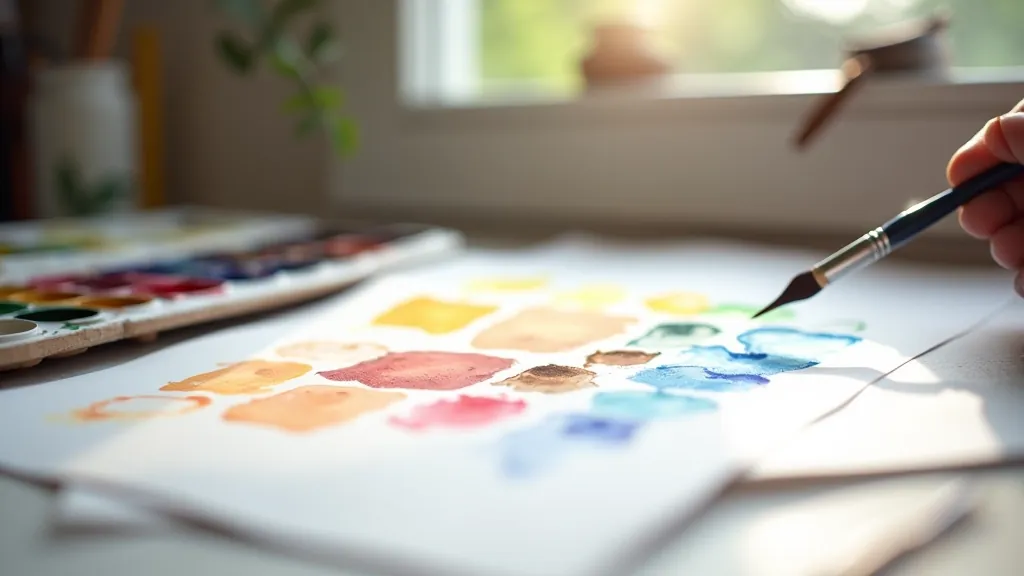
Choosing Your First Watercolor Set
Everything you need to know about pigments, quality levels, and building a starter palette that won't waste your money.
Light pencil drawing isn't just a step before painting — it's a separate skill that strengthens your entire creative practice and builds confidence.
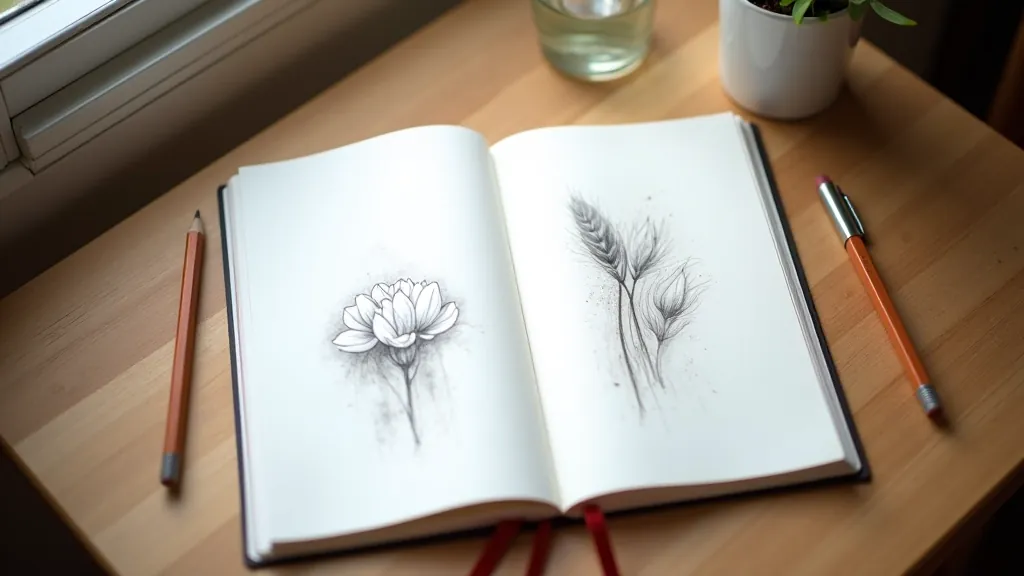

Most beginners think sketching is just a preliminary step — something you rush through before the "real" painting starts. But here's the truth: your pencil work directly determines how confident and successful your watercolor becomes. A weak sketch leads to hesitant brushwork. A strong one gives you freedom to paint boldly.
When you develop solid sketching skills, you're not adding extra work. You're actually saving time. You'll spend less time correcting mistakes mid-painting and more time enjoying the flow of watercolor on paper. It's the foundation that makes everything else possible.
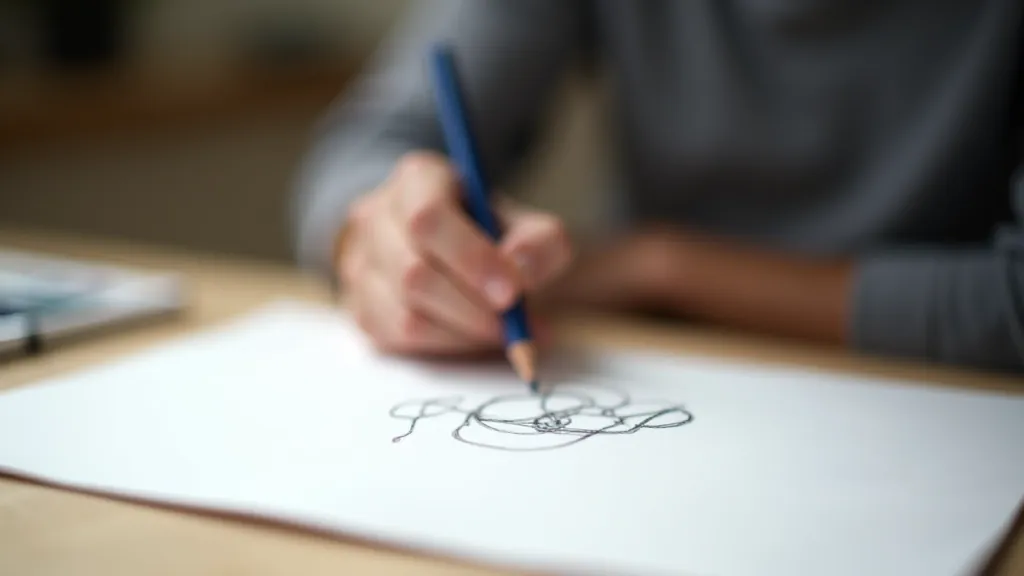
You don't need complex drawing skills to improve your watercolor. Focus on these three areas instead. They're simple to practice, and you'll see results within two weeks of consistent work.
This is the most important skill. You'll want your pencil lines barely visible on finished paintings. Practice with an HB or 2H pencil — never use a dark 2B. The goal: guidelines that guide, not dominate. Hold your pencil loosely, almost like you're pointing rather than writing.
Most beginners press too hard. They think darker lines mean better planning. Actually, heavy pencil marks create barriers that watercolor can't cover cleanly. You'll see gray shadows where you wanted transparency. Light pressure takes practice, but it's worth every minute.

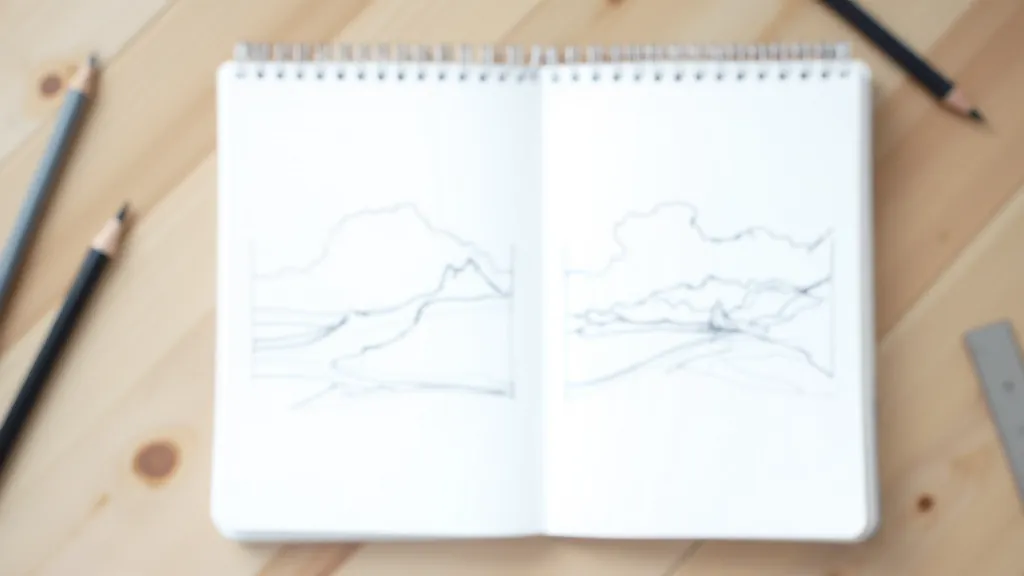
Here's where most sketches go wrong. People draw every detail they plan to paint — every leaf, every shadow, every texture. Then they wonder why their painting feels stiff and over-planned.
Sketch the big shapes first. Where does the horizon sit? Which side is darker? How do objects relate to each other? Use simple lines to map out proportions. You're creating a roadmap, not a coloring book.
This takes about 5-10 minutes for most paintings. You'll still discover things as you paint. In fact, you should. Watercolor rewards spontaneity. Your sketch gives you permission to be spontaneous without getting lost.
You don't need hours of practice. Three focused sketching sessions per week, about 15 minutes each, will transform your watercolor work in a month. Here's what to focus on:
Sketch simple objects — fruit, cups, bottles. Focus on getting proportions right. Don't add shading or detail. Just outlines and relationships between shapes.
Tiny sketches — 2x3 inches — of different compositions for a scene. How does the landscape change if you move the horizon? What if you rotate it?
One large sketch per session on regular paper. Plan a complete painting composition. Light pressure only. This becomes your reference for your actual watercolor painting.
You don't need much. In fact, too many supplies distract from the real work. Here's the minimal kit that works:
Not a fancy mechanical pencil. A standard wood pencil. It naturally encourages lighter pressure than mechanical pencils. Sharpen it to a medium point.
Better than rubber erasers. It lifts graphite gently without damaging paper. Use it to lighten lines rather than erase completely.
Smooth paper. Not rough watercolor paper for sketching. Regular sketch pads work perfectly. They're inexpensive and let you practice without pressure.
Helpful for horizon lines and architectural subjects. But don't become dependent on it. Hand-drawn lines have more life.
Here's what happens when you sketch before you paint. You arrive at the watercolor with a plan. Not a rigid blueprint, but a solid framework. Your hand knows where it's going. You're not staring at blank paper wondering what to do next.
That confidence changes everything. You paint faster. Your brushstrokes are more decisive. You take risks because you're not worried about the basics. The pencil work gave you permission to be bold with the watercolor.
Grab a pencil and sketch pad. Spend 15 minutes sketching something simple. A cup. A plant. A landscape from your window. Focus on getting proportions right with light pressure. That's it. That single session is the foundation of everything that comes next.
You don't need perfection. You need consistency. Three sketches a week for four weeks and you'll notice the difference in your watercolor paintings immediately. The pencil work becomes invisible, but its influence is everywhere.
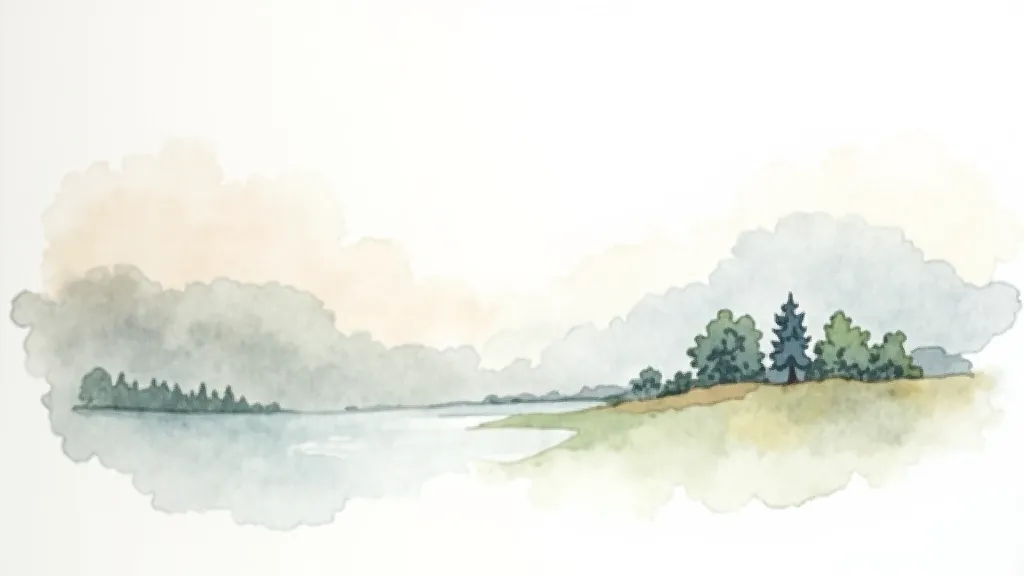
This guide shares techniques and approaches based on established art education practices. Individual results vary depending on your experience level, materials, and practice frequency. These recommendations are educational in nature. Always consult with experienced artists or instructors for personalized feedback on your work. Art is subjective — what works for one artist may need adjustment for another.