
Basic Watercolor Techniques You'll Use Every Time
Master wet-on-wet, glazing, and dry brush techniques. These three approaches form the foundation of watercolor painting.
Everything you need to know about pigments, quality levels, and building a starter palette that won't break the bank.
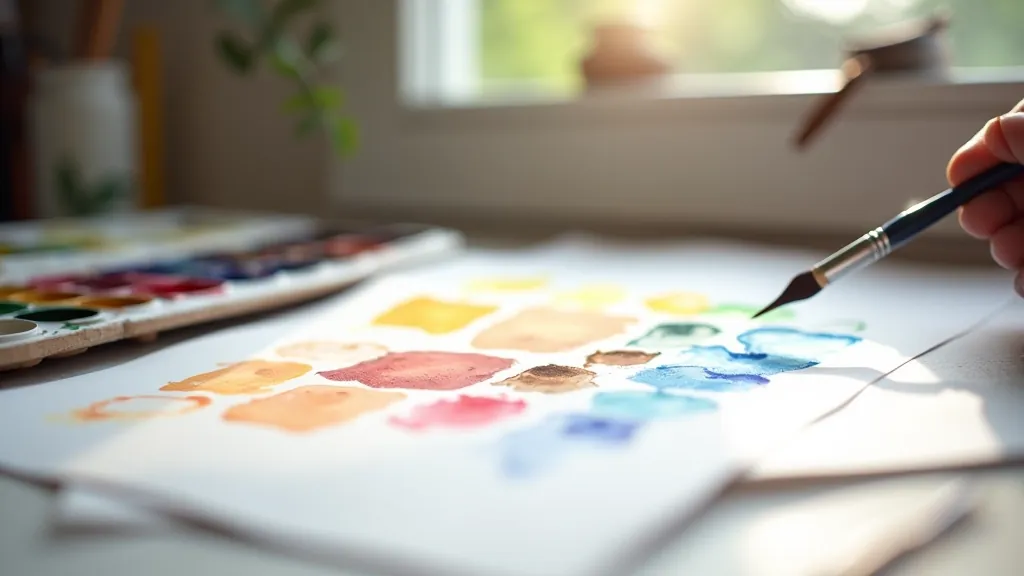

When you're just getting started with watercolor, you don't need expensive professional supplies. Honestly, that's one of the best things about this medium. A decent starter set costs between €20-40 and will get you painting beautiful work within weeks.
The real question isn't "what's the most expensive set?" but rather "what colors actually work together?" Most beginner sets come with 12-24 colors, but here's the secret: you'll probably use only 6-8 of them regularly. The rest just sit there looking pretty.
Look for sets that include the primary colors — a warm red, a cool red, yellows, and blues in both warm and cool versions. You'll also want earth tones like burnt sienna and raw umber. These combinations let you mix almost any color you'll ever need. Quality matters more than quantity when it comes to pigments. A set with 12 good colors beats a set with 36 mediocre ones every single time.
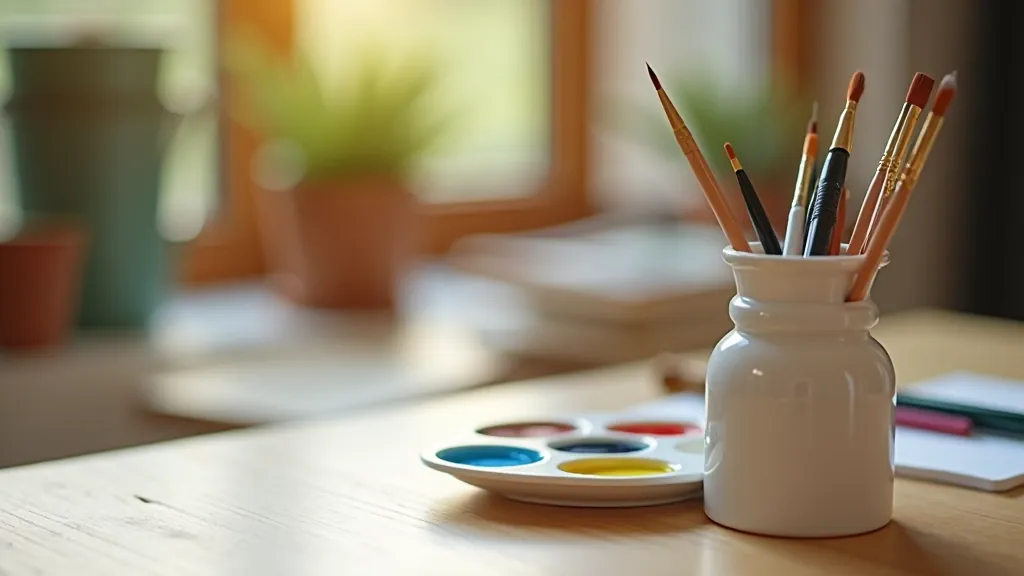
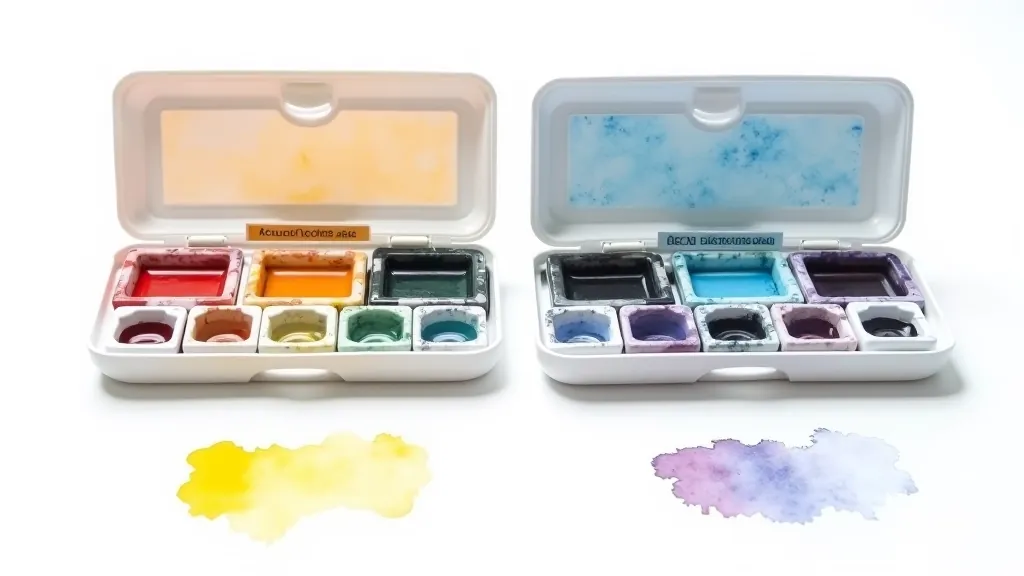
There's a real difference between student and professional grade watercolors, and it's not just about the price tag. Student-grade paints contain more filler and binder, less pure pigment. You'll notice they're more opaque and don't flow as smoothly on paper.
Here's the thing though — you shouldn't buy professional paints for your first set. Most beginners don't need that level yet. The difference becomes important once you've been painting for 6-12 months and know exactly which colors you use most. That's when investing in professional-grade versions of your favorites makes sense.
A solid student-grade set gives you vibrant enough colors to learn proper technique without spending €150 on paints before you've even filled a sketchbook. Brands like Winsor & Newton Cotman, Daniel Smith Essentials, and Schmincke Akademie offer genuine quality at student prices.
You don't need to use every color that comes in your set. Actually, successful painters often work with a limited palette because it teaches you color mixing. Instead of grabbing a pre-mixed green, you'll mix yellow and blue together, which teaches your eye how colors combine.
Lemon yellow (cool) and cadmium yellow (warm) give you range. They're essential for mixing greens and oranges. Most sets include at least one.
Alizarin crimson (cool) and cadmium red (warm) work together beautifully. These mix with yellows for oranges and with blues for purples. You'll reach for red constantly.
Ultramarine blue (warm) and cerulean blue (cool) create a complete range. They're fundamental for skies, water, and shadows in landscapes.
Burnt sienna, raw umber, and yellow ochre add depth and realism. These colors make your work feel grounded and natural.
Don't stress about having the exact colors I mentioned. Your set probably comes with reasonable substitutes. What matters is understanding the warm and cool versions of each primary color. That knowledge lets you mix anything you need.
When you're shopping for a set, don't just grab the cheapest option. Read reviews from actual beginners — not just professional artists. Professionals have different needs than someone just starting out. You're looking for sets people describe as "vibrant," "easy to mix," and "good value."
Pan format (solid blocks) is portable and mess-free. Tubes are wetter but harder to travel with. For beginners, pans are usually better.
Look at the ingredient list. Real pigment names (like PR254 for alizarin) matter more than color names.
If possible, see swatches online or in a store. Don't buy based on the tiny pictures on the tin.
Budget €30-50 for paints, €15-20 for brushes, €10-15 for paper. You don't need everything at once.
You'll want to get your hands on actual paint pretty quickly. Reading about watercolor is fine, but painting is where the real learning happens. A mid-range set won't hold you back. What holds people back is waiting for perfect conditions or perfect supplies instead of just starting.

This article provides educational information about choosing watercolor supplies for beginners. Product recommendations are based on general beginner needs and market availability. Individual experiences with materials vary — what works for one artist might not suit another. Consider your own preferences, budget, and painting goals when making purchasing decisions. We encourage you to test products when possible and read current reviews from other users before buying.
Choosing your first watercolor set doesn't need to be complicated or expensive. You're looking for honest quality in a format that makes sense for how you'll work. Student-grade paints from a recognized brand will serve you brilliantly for months while you develop your skills and discover your own preferences.
The best set is the one you'll actually use. Don't overthink it. Pick something with good reviews in your budget, get some decent paper and brushes, and start painting. You'll learn more in your first week of painting than in weeks of research. That's where the real education begins.
Ready to explore more techniques?
Learn Basic Watercolor Techniques